How a Strait of Hormuz Disruption Could Impact Agriculture Markets, Fertilizer and Fuel Prices
If trade through the Strait of Hormuz is disrupted, global oil supply, diesel prices, fertilizer costs and agricultural markets could be affected.
The Strait of Hormuz is one of the most important maritime trade routes in the world. Nearly 20% of global crude oil supply passes through this narrow waterway connecting the Persian Gulf to the Arabian Sea.
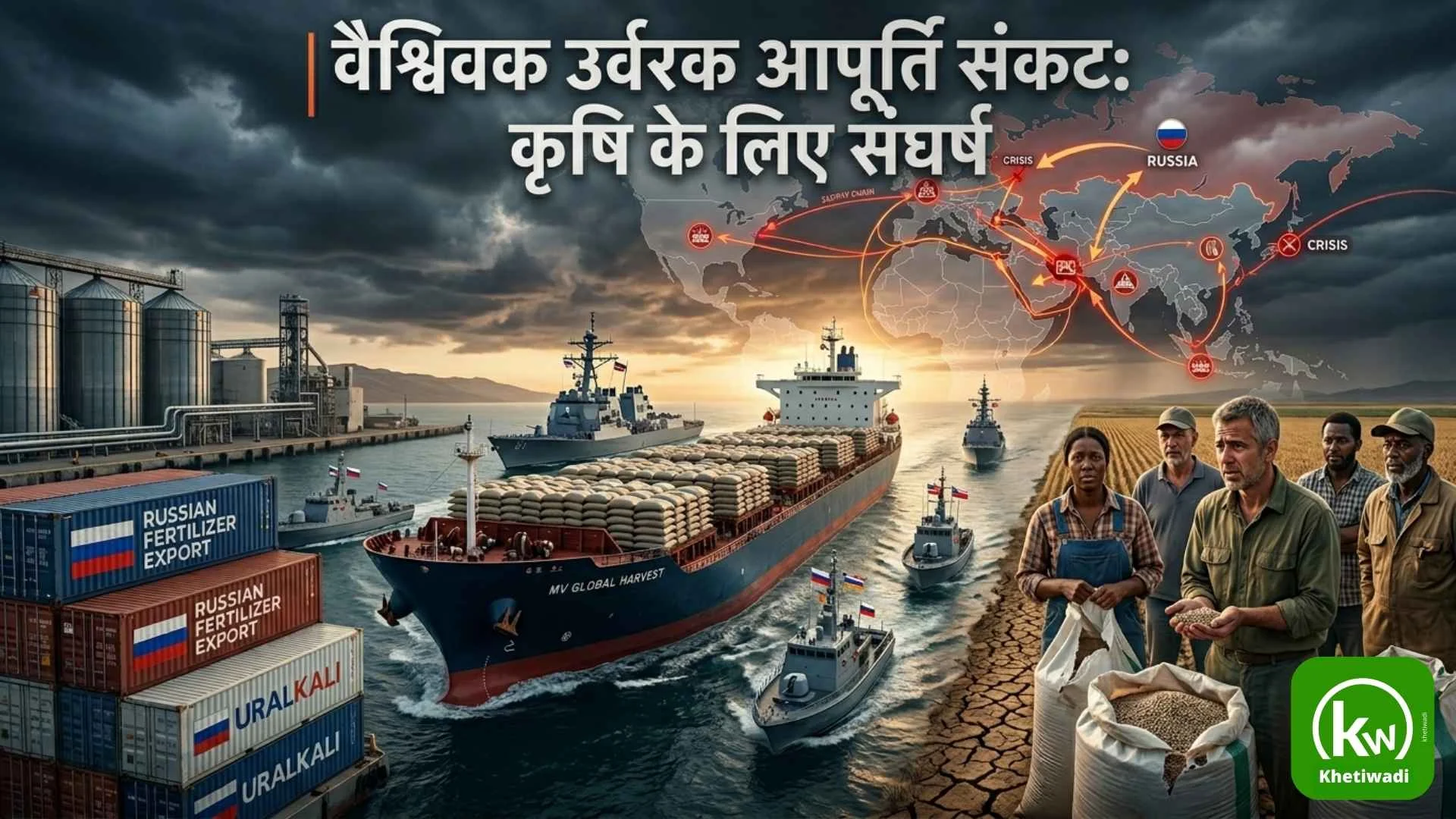
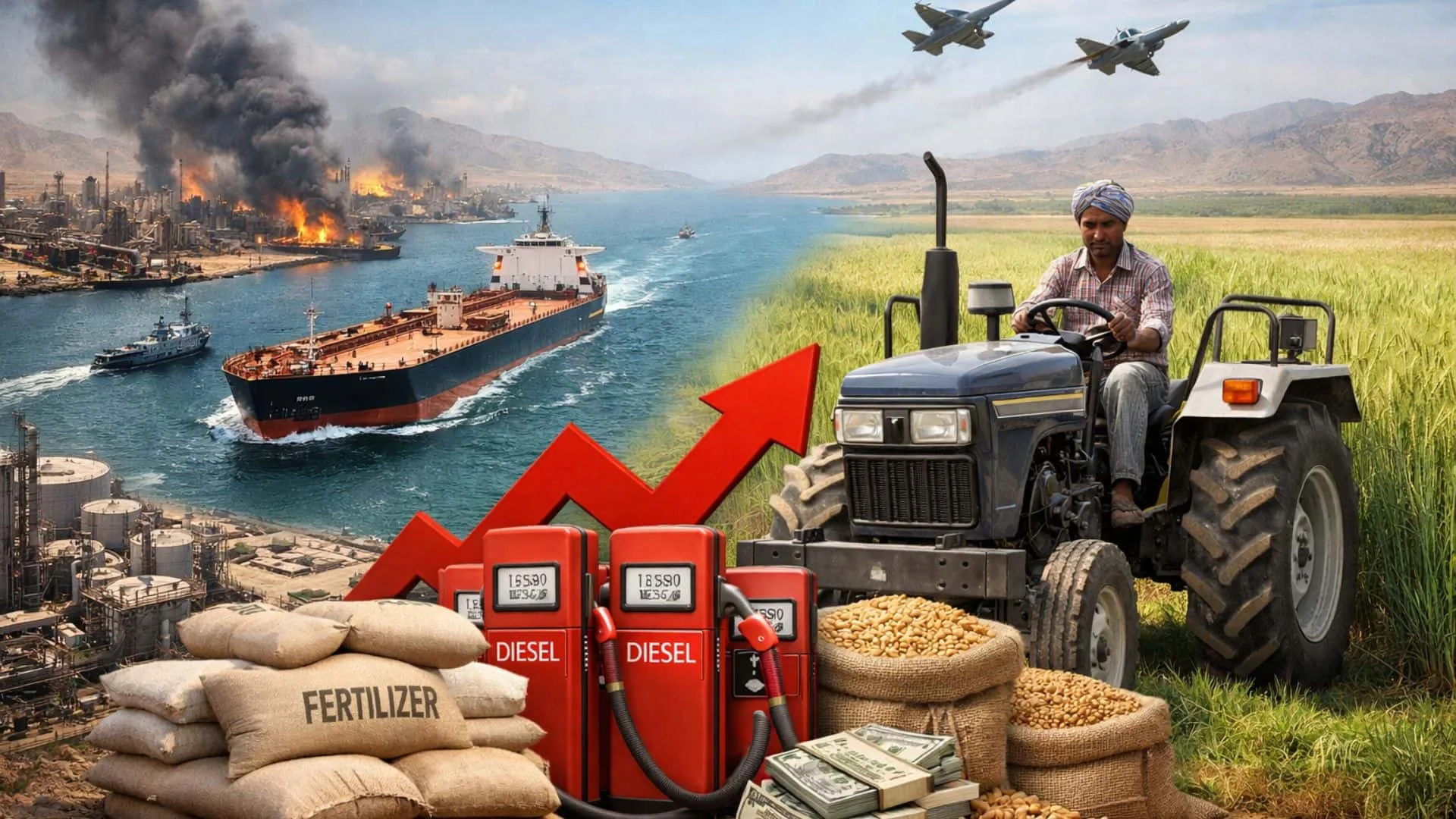
If tensions or conflicts disrupt shipping in this region, global oil supply chains could be affected. Rising crude oil prices often lead to higher diesel prices, fertilizer costs, and logistics expenses — all of which directly influence agriculture markets.
Farmers depend heavily on diesel-powered machinery such as tractors and irrigation pumps. Higher fuel prices increase farming costs and can affect agricultural profitability.
Additionally, fertilizer production relies heavily on energy inputs such as natural gas. Rising energy costs could increase fertilizer prices, which would further impact farmers and global food production.
Therefore, any disruption in the Strait of Hormuz could indirectly influence agriculture markets, food prices, and farming economics across the world.
Frequently Asked Questions
What is the Strait of Hormuz?
It is a strategic maritime route connecting the Persian Gulf and Arabian Sea through which around 20% of global oil supply passes.
How could a disruption affect farmers?
Higher fuel and fertilizer costs could increase farming expenses.