How to Start Ginger Farming in 2026? Complete Guide for Better Yield & Profit
Ginger farming is becoming one of the most profitable farming businesses in India. If you are planning to start ginger cultivation in 2026 or 2027, then understanding the right ecosystem, seed quality, climate, and farming techniques is very important.
Many farmers fail because they start cultivation without proper planning. Successful ginger farming requires good soil, proper drainage, quality seed, skilled labor, irrigation facilities, and a reliable market. After studying these factors carefully, farmers can achieve excellent production and higher profits.
What is the Ideal Ecosystem for Ginger Farming?
Before starting ginger cultivation, make sure the following facilities are available in your area:
Healthy ginger seed availability
Skilled labor for plantation and harvesting
Light, well-drained soil
Proper irrigation system
Market access for selling produce
Suitable climate conditions
If these requirements are fulfilled, ginger farming can become highly profitable.
Best Soil and Climate for Ginger Farming
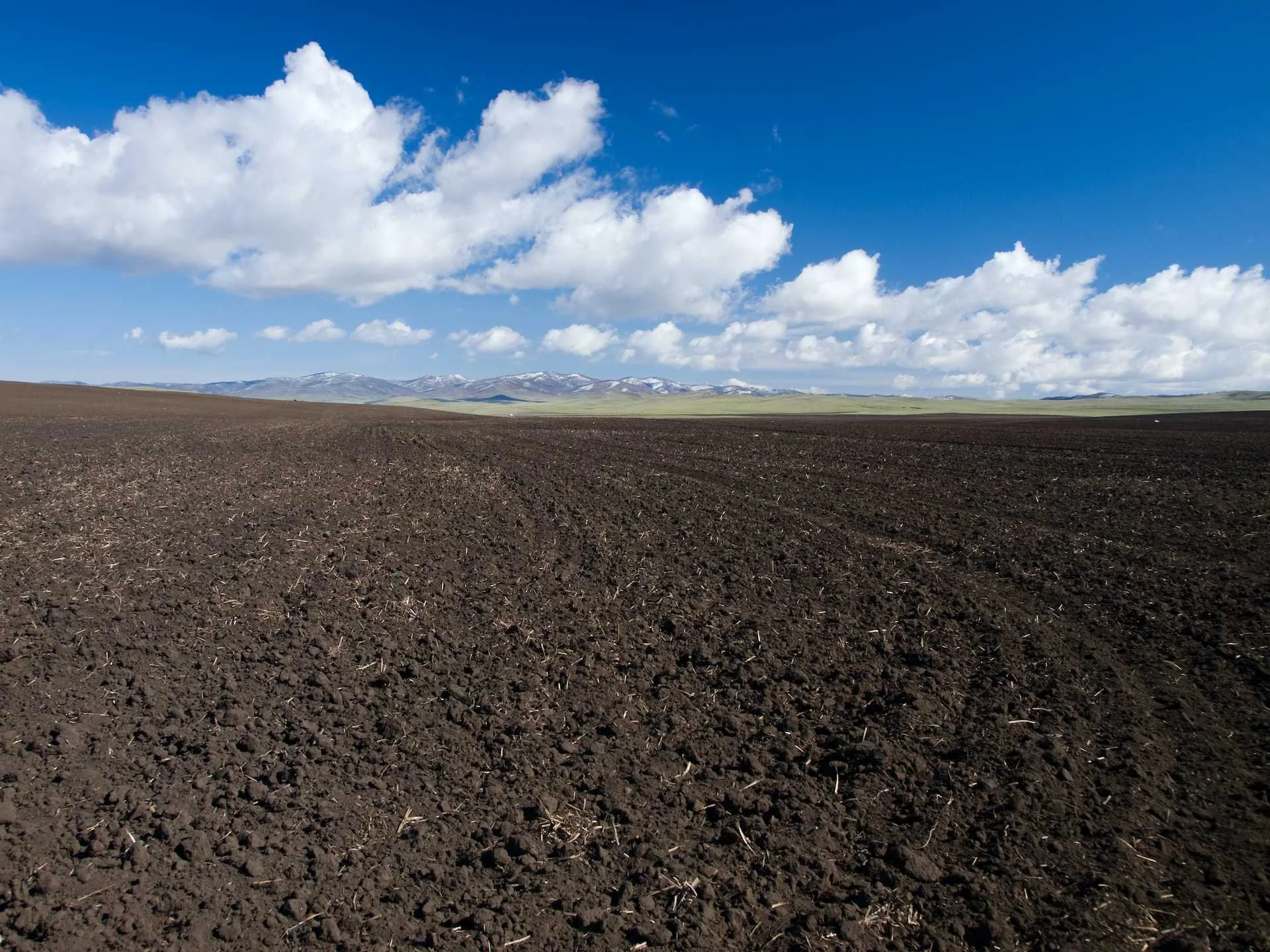
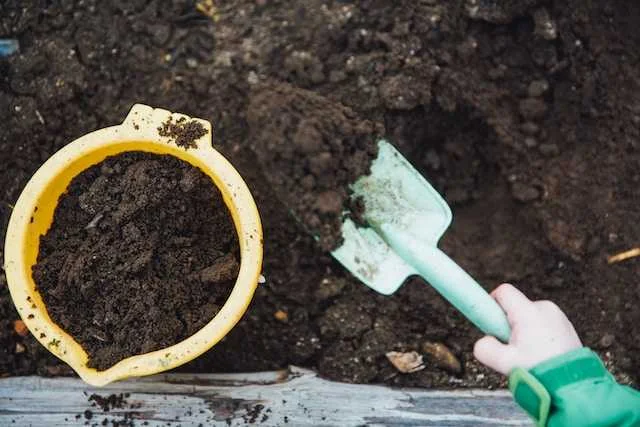
Ginger grows best in light red or loamy soil with excellent drainage. Waterlogging can damage the crop and cause rotting.
Ideal Soil pH
The ideal pH level for ginger cultivation is between 6 and 7.
Suitable Climate
Warm and humid climate is best
Continuous heavy rainfall is harmful
Ginger is generally planted in April-May
Harvesting is done after 10 months during January-February
Farmers can also keep the crop longer in the field if market prices are low.
Ginger Seed Selection
Seed quality plays the most important role in ginger farming success.
How to Select Good Ginger Seed?
Choose healthy and disease-free seed
Avoid rotten or infected rhizomes
Buy seed from farms with good crop growth
Seed Requirement Per Acre
Around 1000 to 1100 kg ginger seed is required per acre.
Ginger Seed Sprouting Process
Before planting, ginger seed should be prepared for sprouting.
Steps:
Store seed in a shaded area
Arrange ginger in layers
Apply fungicide like Carbendazim or Metalaxyl between layers
Cover with jute bags to maintain heat and moisture
After around 1.5 months, proper sprouting begins.
Land Preparation for Ginger Cultivation
1. Deep Ploughing
Plough the land 1-2 months before planting to destroy pests and harmful organisms.
2. Add Organic Manure
Use 5-6 trolley loads of cow dung manure per acre.
3. Soil Testing
Conduct soil testing to identify nutrient deficiencies.
4. Bed Preparation
Importance of Drip Irrigation
Drip irrigation is highly recommended in ginger farming because it:
Ginger Seed Treatment Process
Seed treatment is essential to protect the crop from fungal diseases and pests.
Chemicals Used
Treatment Method
This preventive treatment improves germination and protects the crop.
Ginger Planting Method
Since ginger grows upward, regular earthing-up is required during crop growth.
Labor Cost in Ginger Farming
In many regions, labor charges for ginger plantation range between ₹8,000 to ₹9,000 per acre.
Tips for Successful Ginger Farming
Conclusion
Ginger farming is not complicated, but proper planning and management are extremely important. Farmers who focus on quality seed, soil preparation, irrigation, and disease prevention can earn excellent profits from ginger cultivation.
If you are planning ginger farming in 2026, start preparation early and study your local ecosystem carefully for better success.