Weak Monsoon and Rising Heat Trigger Concerns in Indian Stock Market
India’s economy is deeply connected to weather conditions, especially the monsoon season. After the India Meteorological Department (IMD) predicted below-normal rainfall this year, Indian stock markets have witnessed continuous pressure and investor concerns.
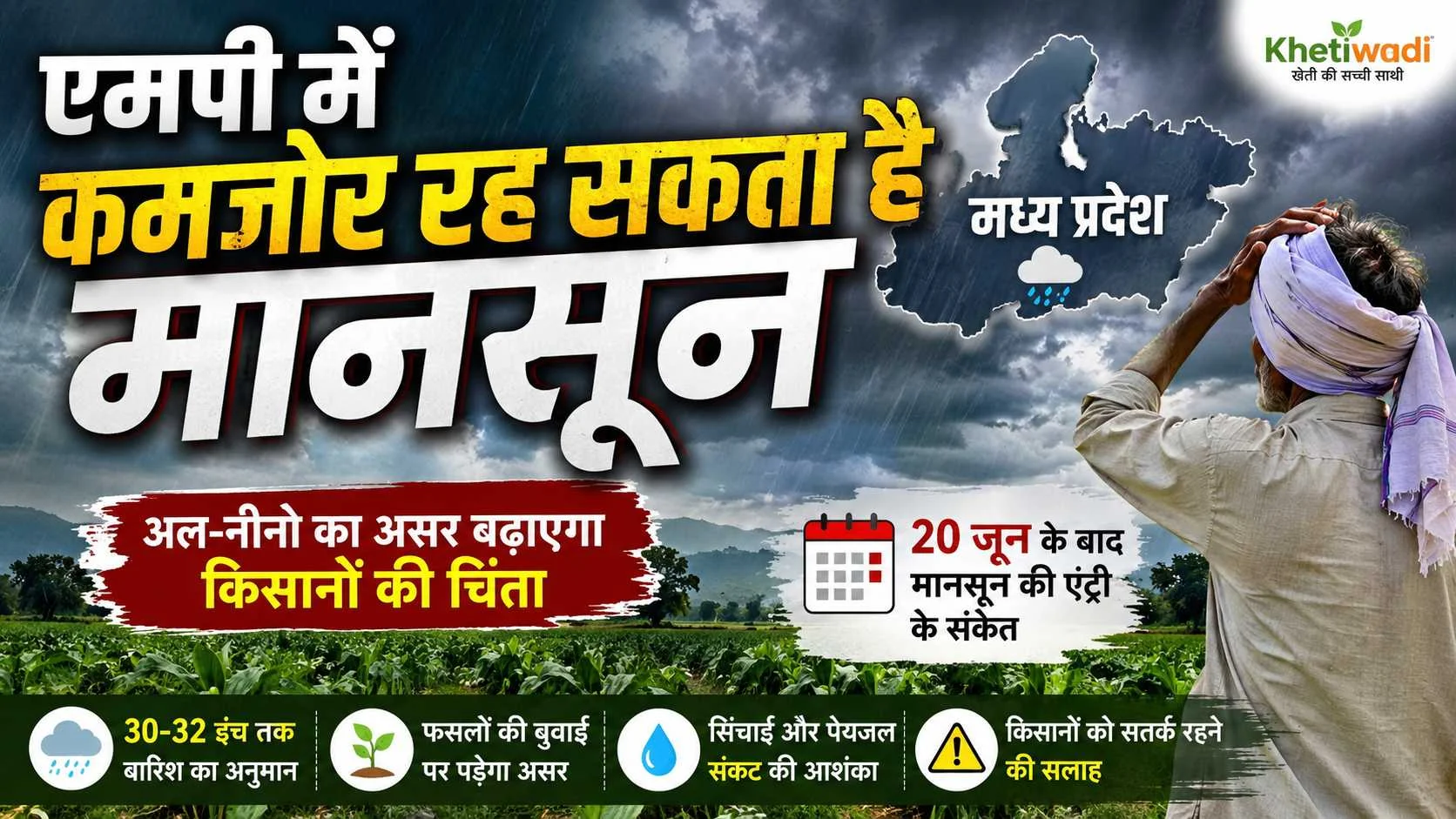
Experts believe that weak monsoon conditions, rising temperatures, and the impact of El Niño could significantly affect agriculture, productivity, inflation, and overall economic growth.
IMD Forecast Creates Market Pressure
Normally, the southwest monsoon reaches Kerala by June 1 every year. However, this year the monsoon arrival has been delayed.
On May 29, the IMD announced that rainfall this season may remain around 90% of the long-period average, indicating a weaker monsoon.
Soon after the announcement:
Sensex and Nifty recorded sharp declines
FMCG and automobile sectors faced heavy selling
Foreign investors started withdrawing money from Indian markets
Investor sentiment weakened significantly
Market experts say that weak monsoon forecasts directly affect rural demand and economic expectations.
Rising Heat Is Reducing Productivity
Several parts of India are experiencing temperatures above 45°C, creating extreme heatwave conditions.
According to international labor studies:
Working hours in India may decline by nearly 5.8% by 2030 due to heat stress
Construction productivity may fall between 18% and 35%
Workers are unable to work efficiently for long hours outdoors
Experts warn that prolonged heatwaves can reduce overall economic productivity and negatively impact GDP growth.
Agriculture Faces Major Risk
Agriculture is expected to be one of the worst-affected sectors if rainfall remains below normal.
Possible impacts include:
Wheat production may decline by 10–15%
Livestock and dairy productivity may reduce
Water shortages could increase
Food inflation may rise
Experts believe weaker monsoon conditions could increase prices of essential crops like onion and reduce overall farm output.
El Niño Seen as a Major Reason
Climate experts believe that El Niño is one of the key reasons behind rising temperatures and weak rainfall patterns this year.
El Niño effects:
Increase in ocean temperatures
Disturbance in rainfall patterns
Weaker monsoon conditions in India
Because of this, markets are already reacting to the possibility of lower agricultural growth and economic slowdown.
Which Sectors May Be Affected?
Several industries are expected to face pressure if weak monsoon conditions continue:
FMCG companies
Automobile sector
Fertilizer and agriculture industries
Irrigation and pump manufacturing
Dairy and livestock businesses
Lower rural demand can directly impact these sectors and reduce company earnings.
What Should Investors Do?
Experts suggest that investors should avoid panic and focus on long-term investment strategies.
Many investors are currently showing interest in diversified mutual fund categories such as:
Flexi-cap funds
Multi-cap funds
These investment options spread risk across different sectors and company sizes.
Conclusion
Weak monsoon forecasts and rising heat are not just weather-related concerns anymore. Their impact can be seen across agriculture, employment, inflation, productivity, and the Indian stock market.
The coming monsoon season will play a crucial role in deciding the direction of India’s economy and market sentiment. Experts believe farmers, industries, and investors all need to prepare for changing climate conditions and their economic impact.