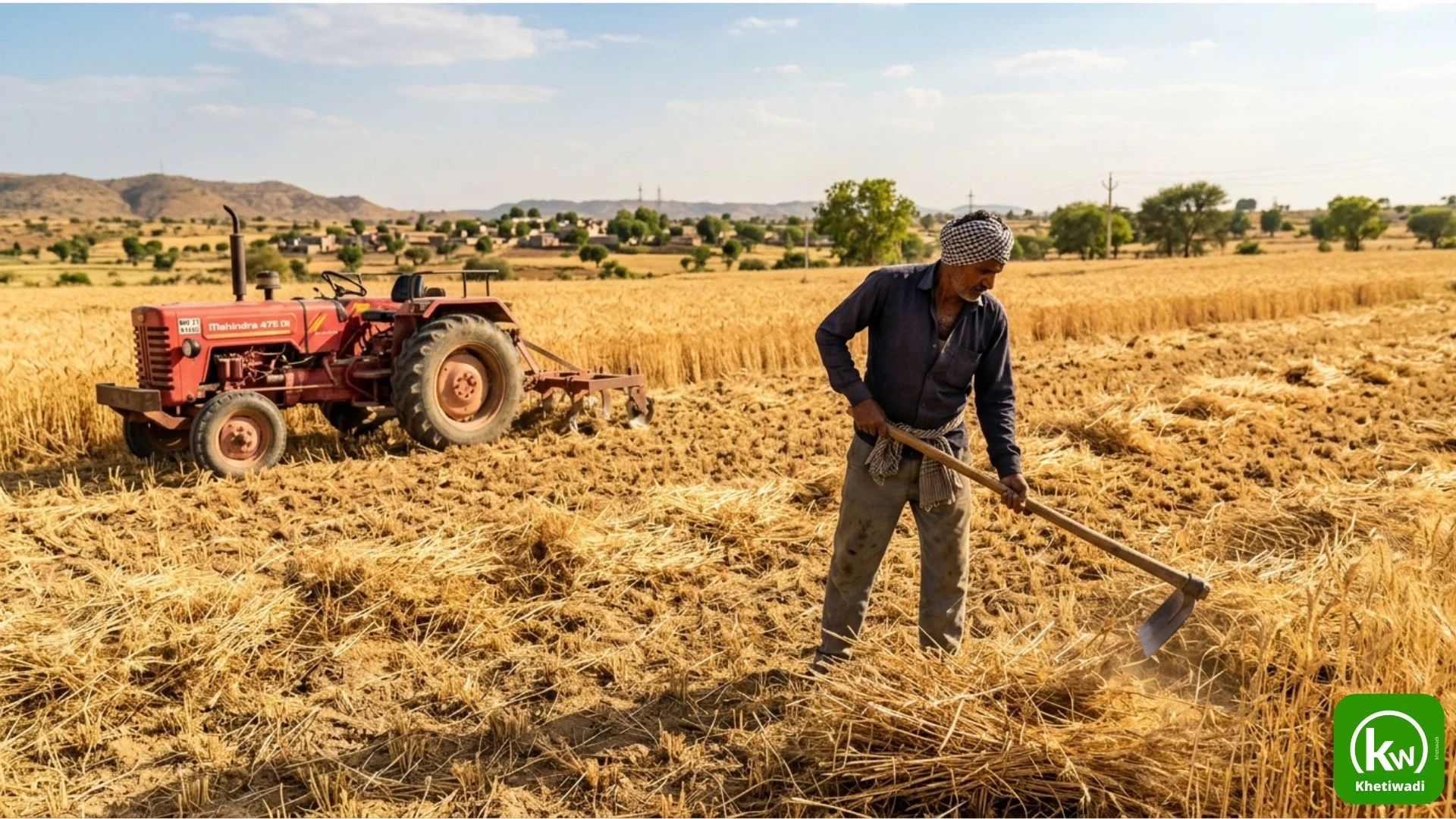

Benefits of Soil Quality Testing for Agriculture
Soil testing helps farmers understand soil fertility, pH level and nutrient availability for better crop productivity.
Why Soil Testing is Important
Soil quality plays a major role in agriculture. Soil testing provides valuable information about soil nutrients, pH level and fertility which helps improve crop productivity.
Key Benefits of Soil Testing
1. Selecting the Right Crop
Soil testing helps farmers determine nutrient availability and choose crops suitable for their soil type.
2. Saving Fertilizer Costs
It helps farmers apply the right type and amount of fertilizers, reducing unnecessary expenses.
3. Pest and Disease Management
Soil testing can indicate soil-borne pests and diseases, allowing preventive control measures.
4. Sustainable Farming
Farmers can adopt sustainable farming practices that improve soil health and long-term productivity.
5. Environmental Protection
Using fertilizers and pesticides in proper quantities reduces environmental pollution and protects natural resources.
Frequently Asked Questions
Why is soil testing important for farming?
Soil testing helps determine soil fertility, pH level and nutrient availability for better crop selection.