
Crop Rotation in Farming – Benefits and Importance
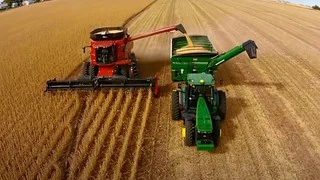
Crop rotation is an agricultural practice where different crops are grown on the same land in a sequence to improve soil fertility and crop yield.
Khetiwadi Team3 min read
What is Crop Rotation?
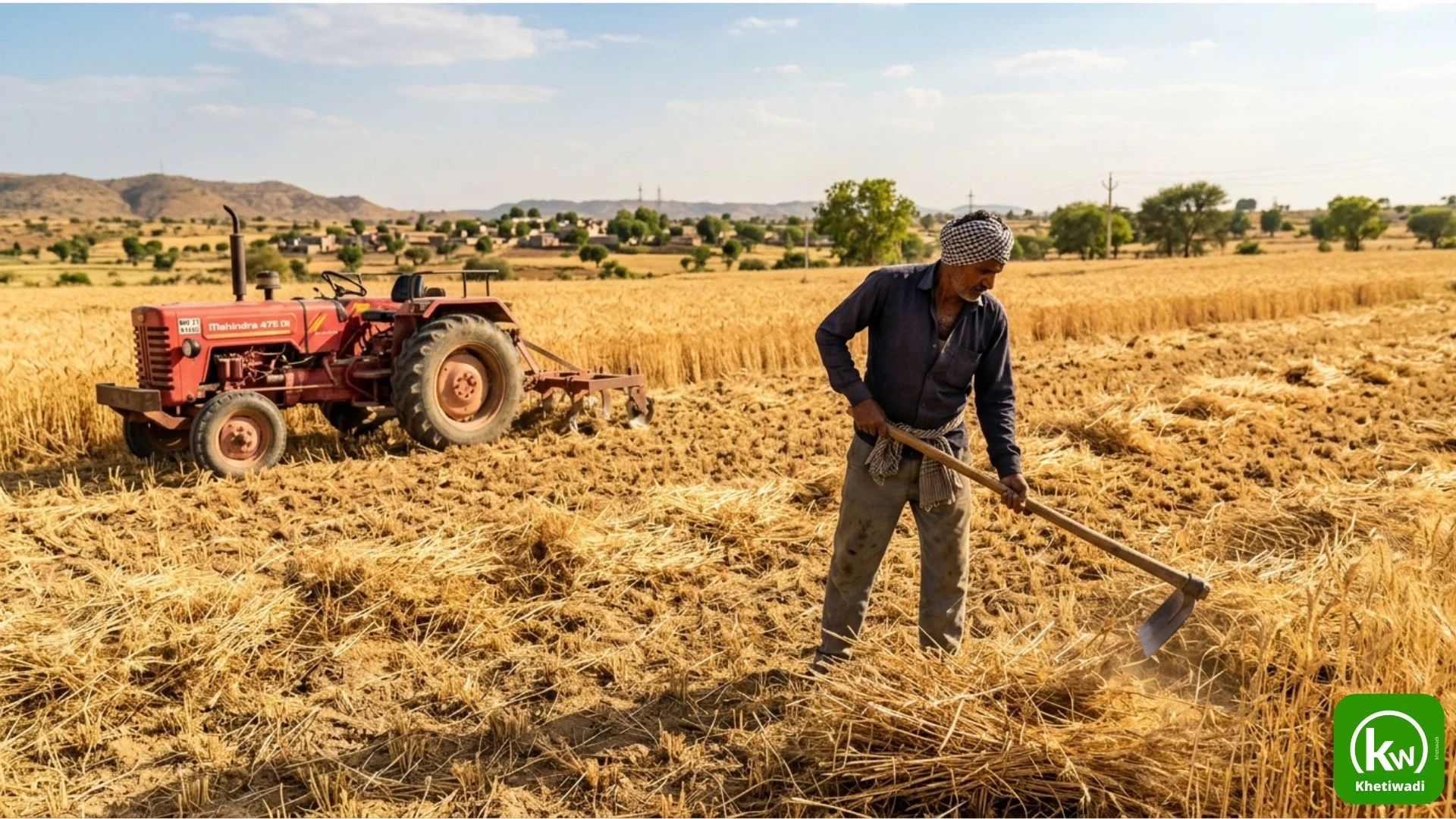
Crop rotation is a farming practice where different crops are grown on the same field in a planned sequence across seasons.
Importance of Crop Rotation in India
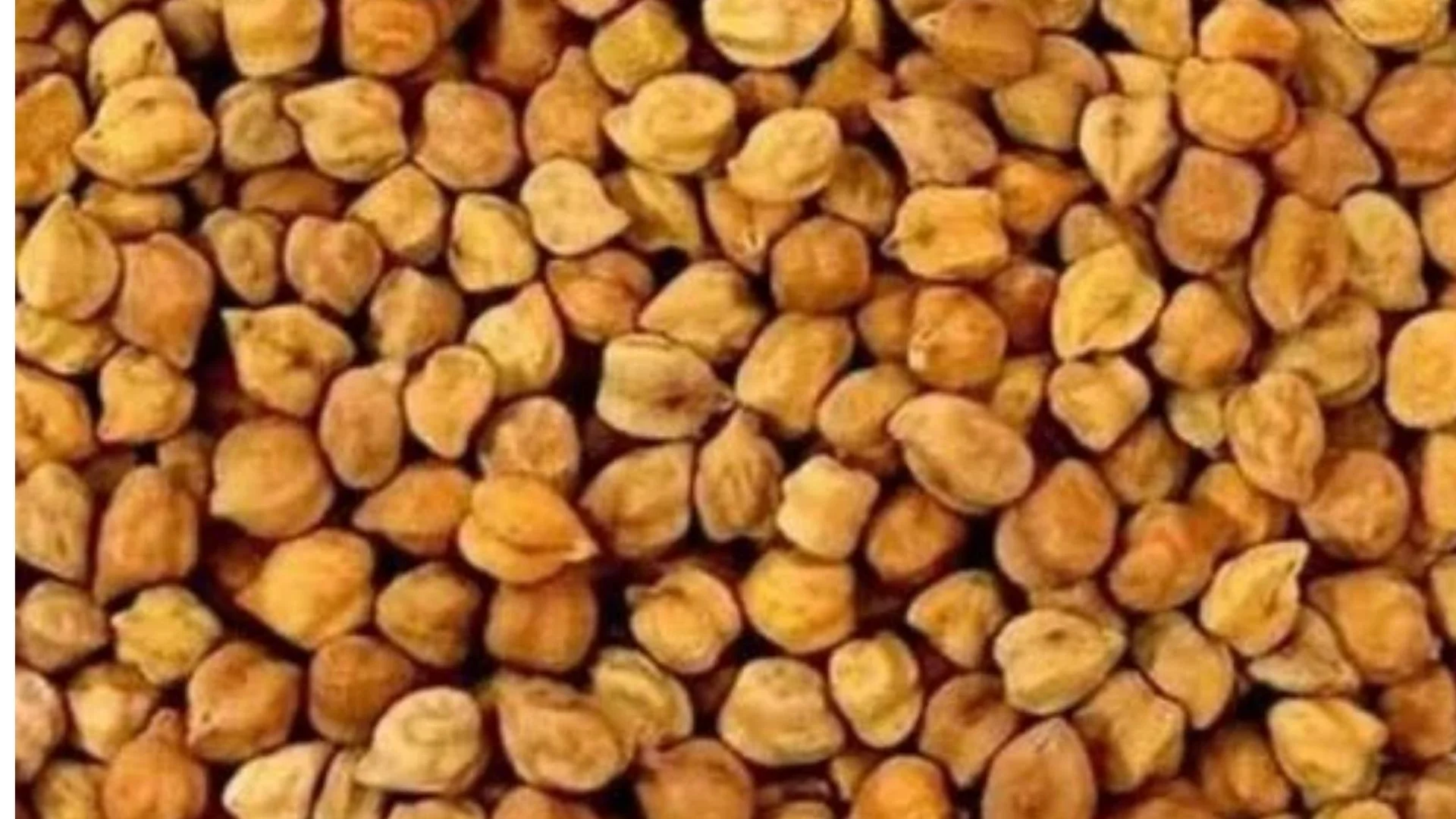
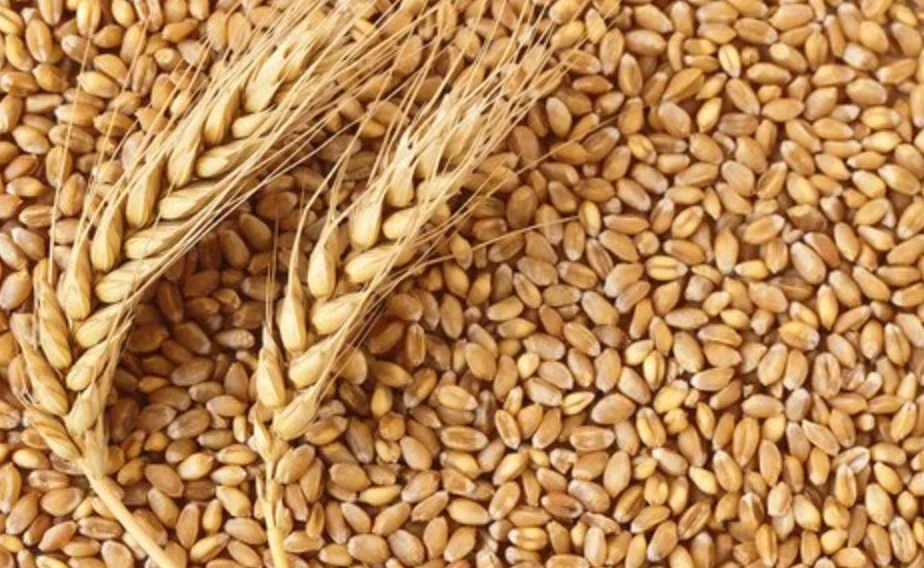
Farmers in India commonly rotate crops such as rice, wheat, maize, pulses, oilseeds and vegetables to maintain soil health and productivity.
Benefits of Crop Rotation
- Maintains soil fertility
- Breaks pest and disease cycles
- Balances soil nutrients
- Improves crop yield and quality
Improving Soil Fertility
Different crops require different nutrients. Rotating crops helps replenish nutrients that were depleted by previous crops.
Best Crop Rotation Practices
Farmers should alternate cereals with legumes because legumes naturally increase nitrogen levels in the soil.
Frequently Asked Questions
What is crop rotation?
Crop rotation is a farming practice where different crops are grown in sequence on the same field.