Mixed Farming: A Beneficial and Sustainable Agricultural System for Farmers
Agriculture has always been the backbone of rural economies, especially in countries like India where a large portion of the population depends on farming for their livelihood. However, modern agriculture faces several challenges such as unpredictable weather, rising input costs, soil degradation, and fluctuating market prices. In such a scenario, mixed farming emerges as a practical, profitable, and sustainable solution for farmers.
Mixed farming is an agricultural system that combines crop production and animal husbandry on the same farm. This integrated approach allows farmers to diversify their activities, reduce risks, and make better use of available resources. It is not a new concept—in fact, it has been practiced for centuries—but its importance has grown significantly in recent years due to increasing uncertainties in farming.
What is Mixed Farming?
Mixed farming refers to a system where farmers cultivate different types of crops while simultaneously raising livestock such as cows, buffaloes, goats, or poultry. The key idea behind this system is integration and interdependence.
In mixed farming:
Crops provide feed and fodder for animals
Animals provide manure and organic inputs for crops
Farm waste is recycled efficiently
This creates a self-sustaining agricultural ecosystem, reducing dependency on external inputs like chemical fertilizers and expensive feeds.
Key Benefits of Mixed Farming
1. Increased Income Opportunities
One of the biggest advantages of mixed farming is multiple sources of income. Farmers earn not only from crops but also from milk, eggs, meat, and other animal products. This diversified income stream helps improve financial stability and ensures regular cash flow throughout the year.
2. Risk Reduction
Agriculture is highly dependent on weather conditions. Crop failure due to drought, pests, or floods can lead to heavy losses. However, in mixed farming, if one component fails, the other can compensate. For example, if crops fail, income from livestock can support the farmer. This makes mixed farming a low-risk agricultural model.
3. Improved Soil Fertility
Mixed farming promotes the use of organic manure, such as cow dung and compost, which improves soil structure and fertility. Additionally, growing leguminous crops like peas, lentils, and beans helps fix nitrogen in the soil, enhancing productivity over time.
4. Environmental Sustainability
This system encourages biodiversity and eco-friendly practices. Since farmers rely less on chemical fertilizers and pesticides, it reduces environmental pollution and maintains ecological balance. Mixed farming supports sustainable agriculture and long-term soil health.
5. Efficient Resource Utilization
Mixed farming ensures that no resource goes to waste. For example:
Crop residues are used as animal feed
Animal waste is used as fertilizer
Water and land are utilized more efficiently
This leads to cost reduction and higher productivity.
6. Year-Round Employment
Unlike monocropping, mixed farming provides work throughout the year. Activities like feeding animals, milking, poultry care, and crop management ensure continuous employment for farmers and their families.
How to Practice Mixed Farming?
Adopting mixed farming requires proper planning and understanding of local conditions. Here are the key steps to implement this system effectively:
1. Analyze Soil and Climate
Start by assessing your soil type, water availability, and climatic conditions. This will help you select suitable crops and livestock.
2. Select the Right Crop Combination
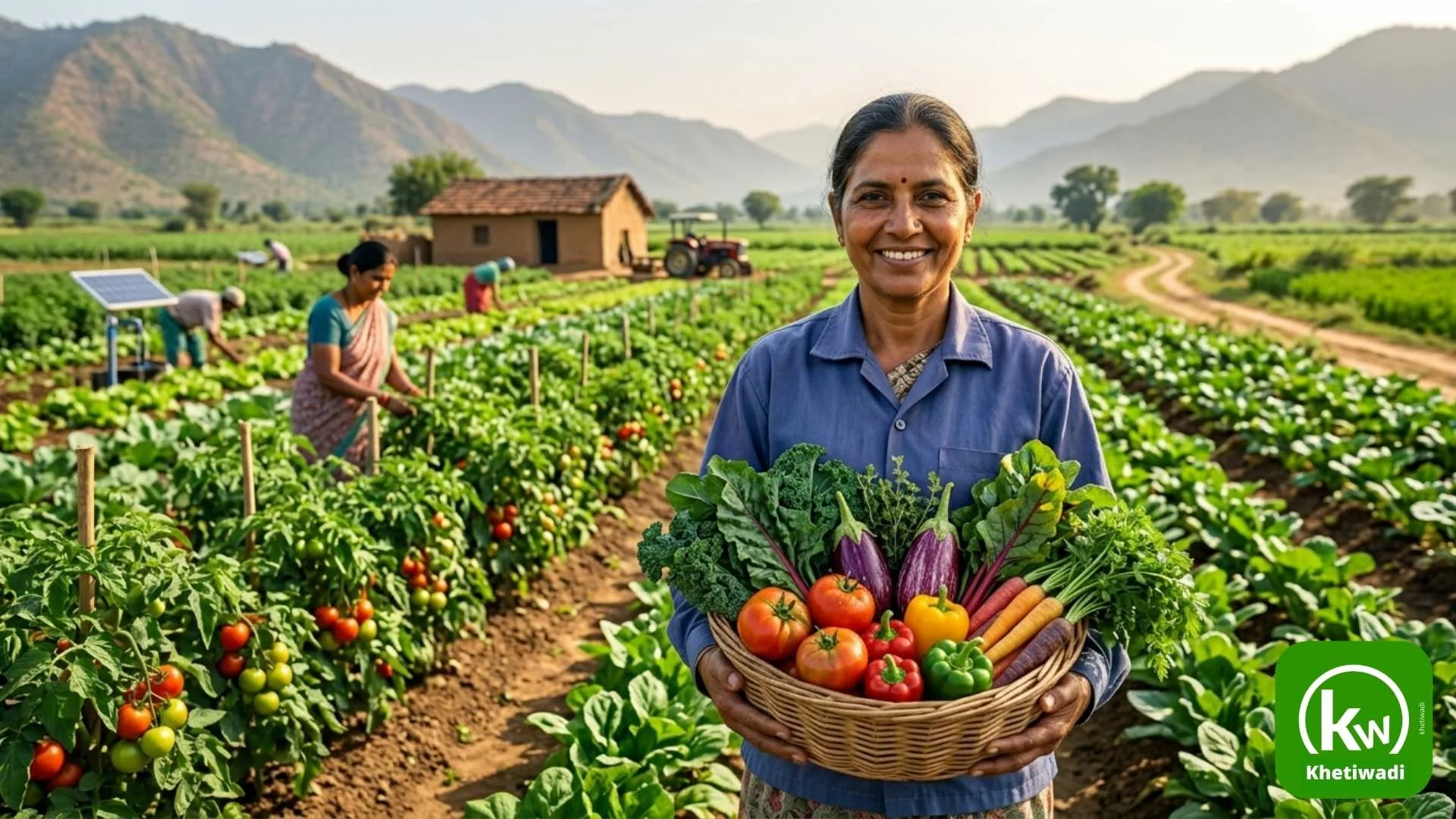
Choose a mix of crops such as:
Cereals (wheat, rice, maize)
Pulses (gram, lentils, peas)
Oilseeds (mustard, soybean)
Vegetables and fruits
Diversification ensures better income and soil health.
3. Choose Suitable Livestock
Depending on your resources and market demand, you can opt for:
Dairy farming (cows, buffaloes)
Goat farming (low investment, high return)
Poultry farming (quick income source)
4. Integrate Crops and Livestock
Ensure that crops and animals support each other. For example:
This integration is the core of mixed farming.
5. Manage Water and Nutrients
Use efficient irrigation methods like drip or sprinkler systems. Prefer organic fertilizers and balanced nutrient management to maintain soil health.
Practical Example of Mixed Farming
Let’s consider a small farmer with 2 acres of land:
1 acre for wheat cultivation
0.5 acre for pulses (peas or gram)
0.5 acre for vegetables
2 cows for milk production
20 poultry birds
In this model:
Wheat provides staple food
Pulses improve soil fertility
Vegetables generate regular income
Cows provide milk and manure
Poultry provides eggs and additional income
This integrated approach ensures higher profitability and reduced risk.
Tips for Successful Mixed Farming
Practice proper crop rotation to maintain soil fertility
Select crops based on local climate and season
Provide proper housing, hygiene, and nutrition for livestock
Regularly vaccinate animals to prevent diseases
Use organic farming practices whenever possible
Keep track of market demand to maximize profits
Maintain proper farm planning and record-keeping
Challenges in Mixed Farming
While mixed farming has many advantages, it also comes with certain challenges:
Requires more knowledge and management skills
Initial setup can be time-consuming
Livestock needs regular care and monitoring
Market access for animal products may be limited in some areas
However, with proper training, government support, and experience, these challenges can be overcome effectively.
Conclusion
Mixed farming is a smart, sustainable, and profitable agricultural system that offers multiple benefits to farmers. By combining crop production with animal husbandry, farmers can reduce risks, increase income, and improve soil health.
In today’s uncertain agricultural environment, adopting mixed farming is not just an option—it is a necessity for long-term success. With proper planning and execution, this system can transform traditional farming into a resilient and sustainable livelihood model.